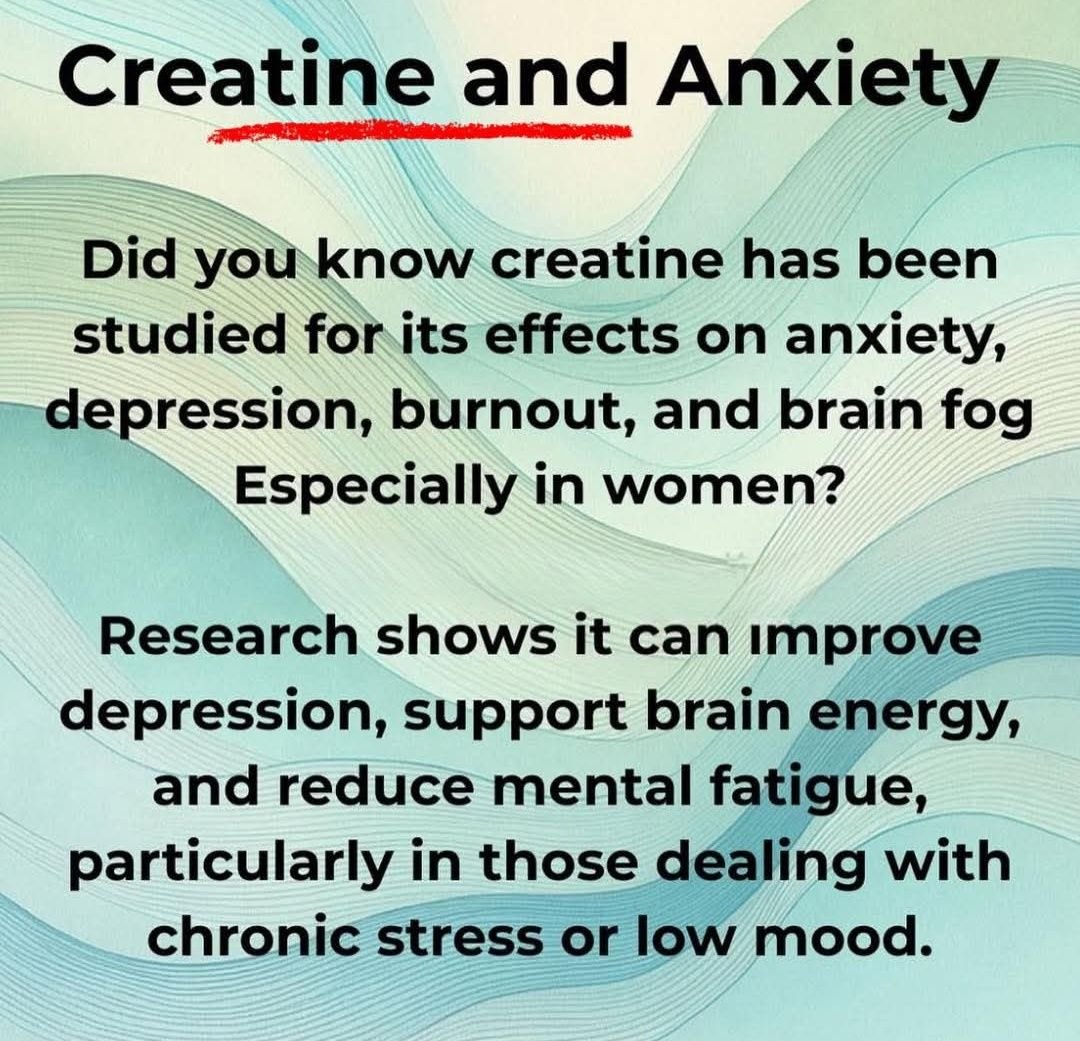
Creatine: More Than Muscle Support
Creatine is best known for strength and performance, but research shows it also plays an important role in brain health and mental energy — especially for women over 35.
During perimenopause and menopause, fluctuating estrogen levels can affect how efficiently the brain produces and uses energy. This often shows up as brain fog, low mood, poor focus, and mental fatigue. Creatine supports the production of ATP, the brain’s primary energy source, helping to improve clarity, resilience, and cognitive performance.
Why creatine matters in midlife
Supports brain energy and mental stamina
Helps reduce brain fog and cognitive fatigue
May support mood and emotional resilience
Improves focus during stress and hormonal change
Creatine + BHB: a powerful combination
Creatine and BHB ketones work synergistically to support brain energy.
Creatine helps cells make energy more efficiently, while BHB provides an alternative fuel source for the brain, particularly helpful when glucose metabolism becomes less efficient during hormonal change.
Together, they can support:
Clearer thinking and sustained focus
More stable energy without crashes
Improved mood and stress resilience
How to take creatine
Women: 3–5 g daily (no loading phase needed)
Men: 5 g daily
Take consistently with food
Choose creatine monohydrate and stay well hydrated
The bigger picture
Brain fog, fatigue, and low mood in midlife aren’t “just aging.” They’re often signs your brain and hormones need targeted support. Creatine, alongside BHB and a personalised nutrition approach, can be a simple yet effective part of supporting brain health during perimenopause and menopause.
👉 Want to know if this is right for you?
Book a chat to find out more.